
If you told 16-year-old me I’d fall in love with something as tangy and fermented as gluten free injera, I’d have laughed while burning yet another grilled cheese. But now? I crave the stuff. The first time I had real injera, it was like biting into culture spongey, sour, alive. That experience pulled me deep into experimenting with teff, fermentation, and alternative flours. I didn’t grow up making Ethiopian food, but I’ve come to respect the beauty of it.
The best part? Injera made with 100% teff flour is naturally gluten free, which means it fits right in with my obsession for comfort food that still feels clean. Whether you’re gluten intolerant, celiac, or just curious about trying something new, this recipe will guide you through making soft, sour gluten free injera at home without missing a beat.
Let’s make a flatbread that’s anything but flat in flavor.
Jump to
Table of Contents
The Origins of Injera and Why Teff Is Naturally Gluten Free
A Staple With Deep Roots and Fermented Soul
Injera isn’t just bread it’s a way of life in Ethiopia and Eritrea. This sour, spongy flatbread is used as both plate and utensil, soaking up rich stews like doro wat and lentil misir. What sets it apart is the grain it’s made from: teff, a tiny, ancient grain grown primarily in the Horn of Africa.
Teff is a nutritional powerhouse rich in iron, protein, and calcium and naturally gluten free. That means a traditional injera gluten free recipe doesn’t have to be “modified.” It’s been gluten free from the start. Many Western takes on injera add wheat or barley to speed up fermentation, but authentic recipes stick with 100% teff, giving you the full flavor and benefit.
For fermentation fans, it’s the sourdough of flatbreads. And if you’ve ever made your own ginger bug, you already understand how beautifully alive these doughs can be.
Why Gluten Free Injera Isn’t Just a Substitute It’s an Upgrade
Unlike many gluten free breads that rely on gums, starches, or flour blends, injera bread gluten free uses one main ingredient: teff. It ferments naturally with time and warmth, developing complex flavors and a springy texture that’s hard to replicate.
Here’s why it stands out:
- It’s high in resistant starch, great for gut health
- Rich in protein and fiber
- No gluten substitutes required
- Safe for celiacs when made with certified teff
If you’re already enjoying treats like gluten free sugar free cake or lemon cake mix gluten free, this bread is the perfect savory companion to your GF baking journey.
Plus, it stores beautifully and reheats like a dream. No crumbly disasters here.
The Ingredients and Fermentation Method Behind Authentic Gluten Free Injera
What You Need to Make Injera Gluten Free
Making gluten free injera at home only takes a few simple ingredients—but timing and patience are everything. The hero of this recipe is teff flour, which you can find in most health food stores or online. For true flavor and authenticity, use 100% whole grain ivory or brown teff flour—no need to mix it with wheat, rice, or starches.
Here’s your core ingredient list:
- 2 cups teff flour (certified gluten free)
- 2½ cups filtered water
- A pinch of salt
- Optional: 2 tbsp starter from a previous batch or a sourdough starter (not required if fermenting naturally)
That’s it. No gums. No binders. Just real, nutrient-rich grain and time.
This simplicity reminds me of the clean bakes we’ve done like the gluten free pistachio cake, where the texture and taste come from the core ingredients, not fillers.
How the Fermentation Process Makes This Bread Come Alive
The magic of gluten free injera comes from fermentation. Once you mix the teff flour and water, you let the batter rest in a warm spot (covered, but not sealed) for 2 to 3 days. During this time, natural wild yeasts get to work, giving the batter a mild sour aroma and bubbles that create injera’s signature spongey texture.
Tips for better fermentation:
- Use a glass or ceramic bowl to avoid metallic taste
- Stir once daily to help distribute fermentation
- A slightly tangy smell = it’s ready!
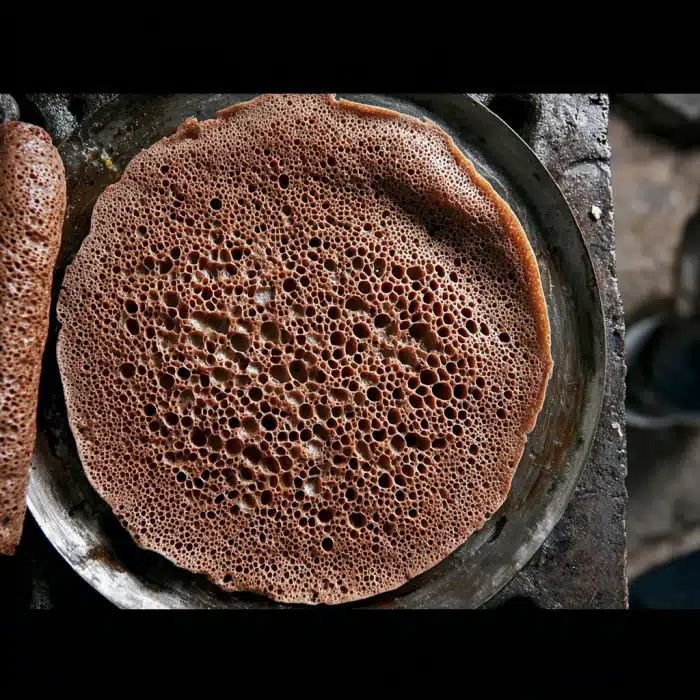
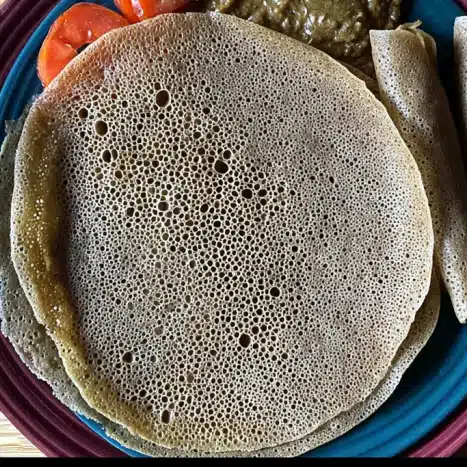
Once fermented, you’ll add a pinch of salt and cook it like a crepe on a non-stick skillet. No flipping required just pour, cover, and steam. You’ll see those iconic bubbles form on top, and that’s your cue it’s working.
This method might remind you of fermentation basics used in starter-based recipes or probiotic blends, much like you’d find in our naturally fermented ginger bug guide. The process is old-school, but deeply satisfying.
And the result? A soft, stretchy injera bread gluten free lovers will swear by even if they’ve never heard of teff before.
How to Cook, Serve, and Store Gluten Free Injera Like a Pro
Master the Technique: Cooking Gluten Free Injera on the Stove
So your batter is fermented, bubbly, and ready to go—now comes the fun part: cooking your injera gluten free style. Unlike traditional pancakes or crepes, injera only cooks on one side, creating its signature bubbly top and soft underside.
Here’s how to do it right:
- Preheat a nonstick pan or cast iron skillet over medium-high heat. No oil needed.
- Stir the batter (it may separate during fermentation—totally normal).
- Pour a thin layer onto the pan and swirl gently to spread evenly.
- Cover with a lid to trap steam.
- Cook for 1–2 minutes until bubbles form and the surface looks dry. Don’t flip!
If you’ve ever made recipes like cottage cheese chips, where the technique makes or breaks the final result, you’ll appreciate the rhythm of injera. It’s about feel more than exact timing—and once you get it, it’s addictive.
Serving and Storing Gluten Free Injera the Right Way
Traditionally, gluten free injera is used as a base layer for dishes like lentil misir wat, spicy chicken doro wat, or sautéed greens. You tear off pieces of injera to scoop the stews no utensils needed. If you want to lean into the theme, serve with a vibrant veggie platter or grain-free stew to keep things clean and filling.
When it comes to storage, you’re in luck. This injera bread gluten free version keeps beautifully:
- Fridge: Store in an airtight container for up to 4 days. Reheat by steaming or microwaving with a damp towel.
- Freezer: Stack with parchment between each piece, seal in a freezer bag, and freeze for up to 2 months.
- Reheat tip: Don’t toast or overheat—it dries out fast. Steam lightly for the best results.
It’s just as satisfying as your go-to gluten free lemon cake but brings a savory, cultural twist to the table.
Whether you’re feeding a crowd or meal prepping, this pancake-meets-flatbread hybrid checks all the boxes: nutritious, gluten free, gut-friendly, and downright fun to eat.
FAQs About Injera Gluten Free
Is Ethiopian teff gluten-free?
Yes teff is naturally gluten-free. It’s one of the smallest but most nutrient-dense grains on the planet, used for centuries in Ethiopia. When injera is made with 100% teff flour, it’s safe for those avoiding gluten. Just be sure to use certified gluten-free teff flour to avoid cross-contamination during processing.
Is teff safe for celiacs?
Absolutely. Since teff contains no gluten, it’s suitable for people with celiac disease, especially when cooked without blending with wheat or barley. This makes injera gluten free an ideal choice for gluten-intolerant individuals who still want delicious, fermented breads.
Does Ethiopian food have gluten-free options?
Traditional Ethiopian cuisine is one of the most naturally gluten-free global cuisines. Lentil stews, sautéed greens, and split pea dishes are all commonly served with gluten free injera, making it easy to enjoy a full, satisfying Ethiopian meal without worrying about wheat.
Is all injera made with teff?
Not always. While traditional injera uses 100% teff, many modern or commercial recipes cut it with wheat, barley, or self-rising flour to save cost and reduce fermentation time. If you’re dining out, be sure to ask or opt to make your own injera bread gluten free at home for full control.
Conclusion: Bring the Flavor Home with Injera Gluten Free
If you’ve been stuck in a gluten free bread rut same bland loaves, dry textures injera gluten free is your way out. It’s earthy, tangy, and truly satisfying. Plus, it brings something extra: tradition, fermentation, and a flavor that evolves every time you make it.
You don’t need fancy tools or complicated ingredients. Just teff flour, water, time and a little love. Like many recipes we’ve shared before (think gluten free sugar free cake or even ginger bug fermentation), this is food that works with your body, not against it.
So whether you’re celiac, gluten sensitive, or just someone who appreciates depth in flavor, this gluten free injera recipe belongs in your rotation. Your gut and your taste buds will thank you.
Print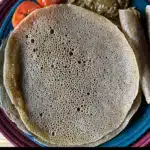
Gluten free injera
- Total Time: 72 hours (includes fermentation)
- Yield: 4 large injera 1x
Description
A traditional injera gluten free recipe made with 100% teff flour. Fermented, soft, sour flatbread perfect for Ethiopian meals.
Ingredients
2 cups teff flour (certified gluten free)
2½ cups filtered water
Pinch of salt
Optional: 2 tbsp sourdough starter or leftover injera batter
Instructions
1. Mix teff flour and water in a glass bowl. Cover loosely and ferment at room temperature for 2–3 days.
2. Stir daily. Once bubbly and slightly sour-smelling, stir in salt.
3. Preheat nonstick pan. Pour a thin layer of batter and swirl to coat.
4. Cover with lid. Cook 1–2 minutes until bubbles form and surface is dry.
5. Remove from pan. Serve warm with stews or vegetables.
Notes
Use brown or ivory teff for slightly different flavor.
To speed up fermentation, use 1 tbsp of previous batch or a sourdough starter.
Store in fridge 3–4 days or freeze up to 2 months.
- Prep Time: 10 minutes
- Cook Time: 15 minutes
- Category: Side Dish
- Method: Fermentation + Stove
- Cuisine: Ethiopian
Nutrition
- Serving Size: 1 injera
- Calories: 130
- Sugar: 1g
- Sodium: 75mg
- Fat: 1g
- Saturated Fat: 0g
- Unsaturated Fat: 1g
- Trans Fat: 0g
- Carbohydrates: 26g
- Fiber: 3g
- Protein: 4g
- Cholesterol: 0mg
For more recipes follow me pinterest