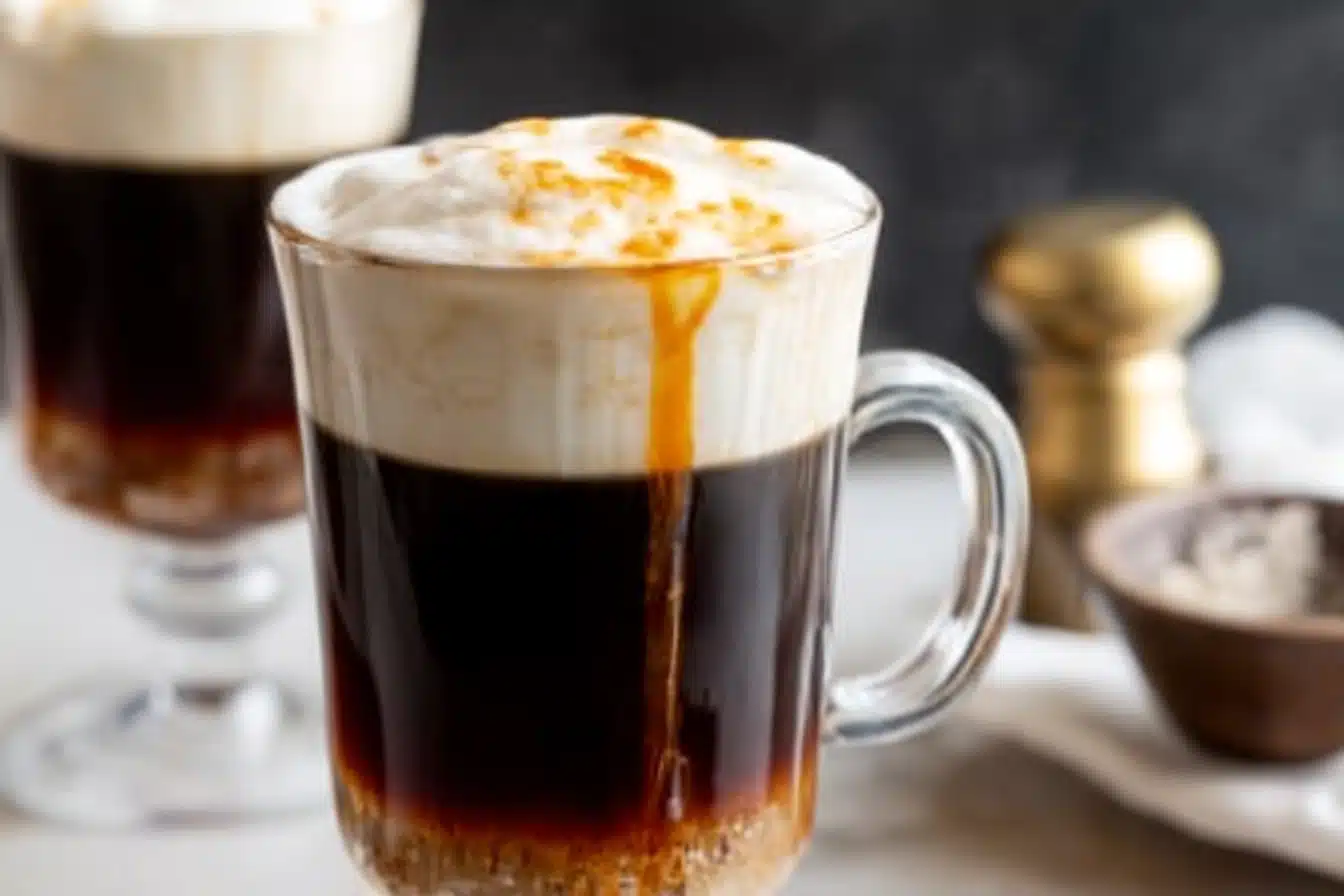

This Spanish coffee recipe brings European café elegance right into your home. Smooth, rich, and deeply aromatic, this coffee drink layers bold espresso with brown sugar, a hint of spice, and creamy froth. Originating in Spain’s cozy cafés, it’s a morning ritual or an after-dinner comfort. Unlike the boozy bar versions, this homemade recipe for Spanish coffee focuses on pure coffee flavor warm, creamy, and perfectly balanced. With a touch of cinnamon and orange zest, it feels like a hug in a mug.
Table of Contents
Table of Contents
How to Make: Ingredients list, Step-by-step directions
Spanish Coffee Ingredients
Gather these simple ingredients to make the authentic Spanish coffee drink recipe café-style, aromatic, and easy.
- 1 cup freshly brewed strong coffee (or 2 espresso shots)
- 1 tablespoon brown sugar
- ¼ teaspoon ground cinnamon
- 1 small strip orange zest (optional but traditional)
- ¼ cup frothed milk or whipped cream
- A dash of cocoa or nutmeg (for topping)
Optional Add-ons:
- 1 teaspoon vanilla extract for sweetness
- 1 tablespoon condensed milk for creamy texture
- 1 ounce Kahlúa or rum (optional, for café cocktail style)
Step-by-step directions
1. Brew and sweeten
Brew your coffee or espresso. While hot, stir in brown sugar and cinnamon until fully dissolved.
2. Add citrus warmth
Drop in a small strip of orange zest and let it steep for 30 seconds it enhances aroma and adds a Spanish touch.
3. Froth and layer
Pour the coffee into a glass mug. Top with frothed milk or a dollop of whipped cream. Dust with cocoa or nutmeg for a professional finish.
What Are the Ingredients in Spanish Coffee?
The traditional Spanish coffee recipe uses a mix of strong black coffee, brown sugar, cinnamon, and cream or milk. In Spain, café-style versions often add Licor 43 or brandy for a rich, layered flavor but this non-alcoholic version relies on bold espresso and aromatic spices for depth.
At its heart, Spanish coffee is about contrast: the bitter strength of coffee, the sweetness of sugar, and the smoothness of cream.
What Is a Typical Spanish Coffee?
A typical Spanish coffee is small but powerful much like espresso drinks found in Mediterranean cafés.
In Spain, you’ll find these variations:
| Type | Description |
|---|---|
| Café Solo | A strong espresso shot served black |
| Café con Leche | Half espresso, half hot milk |
| Carajillo | Espresso with a splash of liquor (often brandy or rum) |
| Café Bombón | Espresso layered with sweetened condensed milk |
This Spanish coffee drink recipe sits between café con leche and bombón — warm, comforting, and silky smooth.
How to Make Good Spanish Coffee (Barista Tips)
Creating café-quality flavor at home comes down to three things:
- Use fresh coffee beans. Grind just before brewing for the richest taste.
- Balance sweetness. Brown sugar enhances flavor better than white sugar.
- Perfect the froth. Froth milk with a handheld whisk or French press until airy but creamy.
What Is the Difference Between Irish Coffee and Spanish Coffee?
The key difference is base and flavor:
| Feature | Irish Coffee | Spanish Coffee |
|---|---|---|
| Base Spirit | Whiskey | Brandy or Licor 43 (optional) |
| Flavor Profile | Creamy, vanilla, whiskey warmth | Spiced, aromatic, citrus-sweet |
| Serving Style | Tall glass with whipped cream | Espresso-style cup with foam |
| Origin | Ireland | Spain |
While Irish coffee leans dessert-like, the Spanish coffee recipe offers a balanced, less sweet, and more aromatic profile.
Why You’ll Love This Spanish Coffee Recipe
This drink delivers everything you crave from a café experience warmth, comfort, and sophistication.
You’ll love it because it’s:
- Naturally spiced and aromatic
- Creamy and smooth without heavy cream
- Customizable: add condensed milk or make it iced
- Perfect for mornings or dessert pairing
It’s the ideal coffee for those moments when you want indulgence without excess elegant, simple, and unforgettable.
Nutritional Benefits and Storage Tips
| Ingredient | Benefit |
|---|---|
| Coffee | Natural energy boost and antioxidants |
| Cinnamon | Supports blood sugar balance and aroma |
| Orange zest | Adds Vitamin C and brightness |
Storage Tips:
- Best enjoyed fresh.
- If storing, keep black coffee base in the fridge for up to 24 hours.
- Froth milk just before serving for best texture.
FAQs
What are the ingredients in Spanish coffee?
Coffee, brown sugar, cinnamon, orange zest, and cream simple but bold.
What is a typical Spanish coffee?
Strong espresso served hot, sometimes with sweetened milk or cream.
How to make good Spanish coffee?
Use fresh-ground coffee, brown sugar, and real milk froth for balance.
What is the difference between Irish coffee and Spanish coffee?
Irish uses whiskey; Spanish uses coffee and spice more aromatic and less sweet.
Conclusion
This Spanish coffee recipe brings café culture to your kitchen rich, aromatic, and irresistibly smooth. With a perfect balance of espresso, cinnamon, and cream, it’s your go-to drink for cozy mornings or elegant evenings. Skip the café line and make this European classic at home you’ll never go back.
Print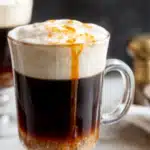
Spanish Coffee Recipe (Rich, Creamy, Café-Style Drink)
- Total Time: 5 minutes
- Yield: 1 serving 1x
- Diet: Vegetarian
Description
This Spanish coffee recipe is rich, creamy, and aromatic — blending espresso, brown sugar, and cinnamon for authentic café-style flavor.
Ingredients
1 cup strong coffee
1 tbsp brown sugar
1/4 tsp cinnamon
1 strip orange zest
1/4 cup frothed milk or whipped cream
Cocoa or nutmeg for topping
Instructions
1. Brew strong coffee or espresso.
2. Stir in brown sugar and cinnamon while hot.
3. Add orange zest for 30 seconds.
4. Pour into mug and top with frothed milk.
5. Dust with cocoa and serve.
Notes
Use fresh coffee beans for bold flavor.
Add condensed milk for sweetness.
Serve immediately for best aroma.
- Prep Time: 5 minutes
- Cook Time: 0 minutes
- Category: Beverage
- Method: Brewed
- Cuisine: Spanish
Nutrition
- Serving Size: 1 cup
- Calories: 95
- Sugar: 9g
- Sodium: 10mg
- Fat: 3g
- Saturated Fat: 2g
- Unsaturated Fat: 1g
- Trans Fat: 0g
- Carbohydrates: 11g
- Fiber: 0g
- Protein: 2g
- Cholesterol: 5mg